


Tin tức ngành
Trang chủ / Tin tức / Tin tức ngành / Is the foam material used in foam changing pads safe and harmless?
High-quality foam changing pads that meet safety standards are generally safe and harmless. However, low-quality products may contain toxic flame retardants, phthalates, or VOCs that pose health risks. Always choose pads with CertiPUR-US, OEKO-TEX, or GREENGUARD Gold certifications, ensure safety straps are T-shaped or adjustable with quick-release buckles, and allow new pads to off-gas for 48-72 hours in a ventilated area before use.
The safety of foam changing pads depends entirely on the material quality and manufacturing standards. Polyurethane foam (PU foam), the most common material, is inherently safe when produced without toxic additives. However, concerns arise from chemical treatments added during manufacturing.
Research by the Ecology Center (2021) found that 20% of tested changing pads contained flame retardants linked to hormone disruption and developmental issues. Key chemicals to avoid include:
Certified foams eliminate these risks. CertiPUR-US certified foam, for example, is tested to be free of harmful flame retardants, heavy metals, and formaldehyde. A 2023 study showed that certified foam products released 90% fewer VOCs compared to non-certified alternatives.
New foam changing pads often emit a noticeable chemical smell, commonly called "off-gassing." This odor comes from volatile organic compounds (VOCs) releasing into the air, particularly from fresh polyurethane foam and packaging materials.
The intensity and duration of odor vary significantly by product quality:
| Foam Type | Initial Odor Intensity | Off-Gassing Period | Health Risk Level |
|---|---|---|---|
| CertiPUR-US Certified | Mild | 24-48 hours | Minimal |
| Standard Polyurethane | Moderate | 3-7 days | Low to Moderate |
| Low-Quality/Uncertified | Strong | 1-4 weeks | Moderate to High |
Persistent strong odors beyond one week indicate poor quality and potential ongoing chemical release. If a pad smells strongly of chemicals after two weeks of airing out, discontinue use and contact the manufacturer.
Yes, uncertified foam changing pads can release harmful substances, particularly during the first months of use. The primary concern is the emission of volatile organic compounds (VOCs) and chemical additives that migrate from the foam into the surrounding air and potentially onto skin.
A 2022 Duke University study detected measurable levels of flame retardants in household dust from nurseries using conventional foam products. Infants, with their higher respiratory rates and developing organ systems, are particularly vulnerable to these exposures.
Key substances that may be released include:
Certified products significantly reduce this risk. GREENGUARD Gold certification requires testing for over 10,000 chemicals and ensures emissions levels are safe for sensitive individuals, including infants.
Selecting a safe foam changing pad requires verifying certifications, examining materials, and assessing construction quality. Follow this systematic approach to ensure your choice meets rigorous safety standards.
Look for these third-party certifications on product labels or manufacturer websites:
Beyond certifications, evaluate these physical characteristics:
| Feature | Safe Specification | Warning Signs |
|---|---|---|
| Foam Density | 1.8 lbs/ft³ or higher (high-density foam) | Soft, easily compressed low-density foam |
| Cover Material | Organic cotton, bamboo, or certified non-toxic vinyl/PVC-free | Strong plastic smell, thin cheap vinyl |
| Edge Contours | 4-inch high contoured sides to prevent rolling | Flat surfaces without security contours |
| Waterproofing | Food-grade PEVA or TPU lining (PVC-free) | PVC plasticizers (indicated by strong odor) |
| Adhesives | Water-based, non-toxic glues | Visible glue residue, formaldehyde smell |
Steer clear of products with these characteristics:
When properly designed and used correctly, safety straps provide essential protection against falls. However, strap security varies significantly between manufacturers, and improper use can create entrapment hazards.
Most foam changing pads feature one of three strap configurations:
ASTM F2388, the standard specification for changing tables and changing pads, requires that restraint systems withstand 30 pounds of force without breaking or releasing. High-quality pads often exceed this, testing up to 50-75 pounds to accommodate struggling toddlers.
Check for these construction details:
Yes, improper strap use poses genuine risks of constriction, strangulation, and positional asphyxiation. The Consumer Product Safety Commission (CPSC) reports that restraint-related incidents account for 15% of changing table injuries, though most involve improper use rather than product defects.
Parents should be aware of these potential hazards:
Follow these protocols to minimize injury risk:
Quick-release buckles are essential for emergency situations. Test the release mechanism before first use to ensure it opens smoothly under tension but not with normal baby movement.
Certified pads require 24-48 hours in a well-ventilated area away from direct sunlight. Non-certified pads may need 1-2 weeks with regular flipping to ensure thorough off-gassing. Place near an open window with a fan for optimal air circulation.
Yes, but select pads with organic cotton or bamboo covers and CertiPUR-US or OEKO-TEX certified foam. Avoid vinyl covers which can trap heat and moisture. Consider using an additional organic cotton changing pad liner as a barrier.
Traditional memory foam is not recommended for infants due to suffocation risks from body contouring. If choosing memory foam, ensure it is high-density (3 lbs/ft³ or higher) with immediate rebound and never use it for unattended sleep. Standard high-density polyurethane foam is safer for changing purposes.
Use mild soap and water on the surface; never submerge foam in water as it promotes mold growth. For waterproof covers, a solution of 1 part white vinegar to 3 parts water effectively disinfects without harsh chemicals. Allow to air dry completely before reuse.
Quality foam changing pads last 2-3 years with regular use. Replace sooner if you notice permanent indentations deeper than 0.5 inches, cracking in the cover, strap fraying, or persistent odors after cleaning. Foam degradation compromises both safety and hygiene.
Alternatives include organic cotton contour changing pads (firm fiberfill core), natural latex changing pads (hypoallergenic but expensive), and inflatable PVC-free changing pads for travel. However, high-density certified foam remains the most practical choice for daily use due to waterproofing and ease of cleaning.
Quality foam changing pads do not contain fiberglass. However, some cheap imported mattresses use fiberglass as a fire barrier. Verify with the manufacturer if concerned. CertiPUR-US certification explicitly prohibits fiberglass in foam products.
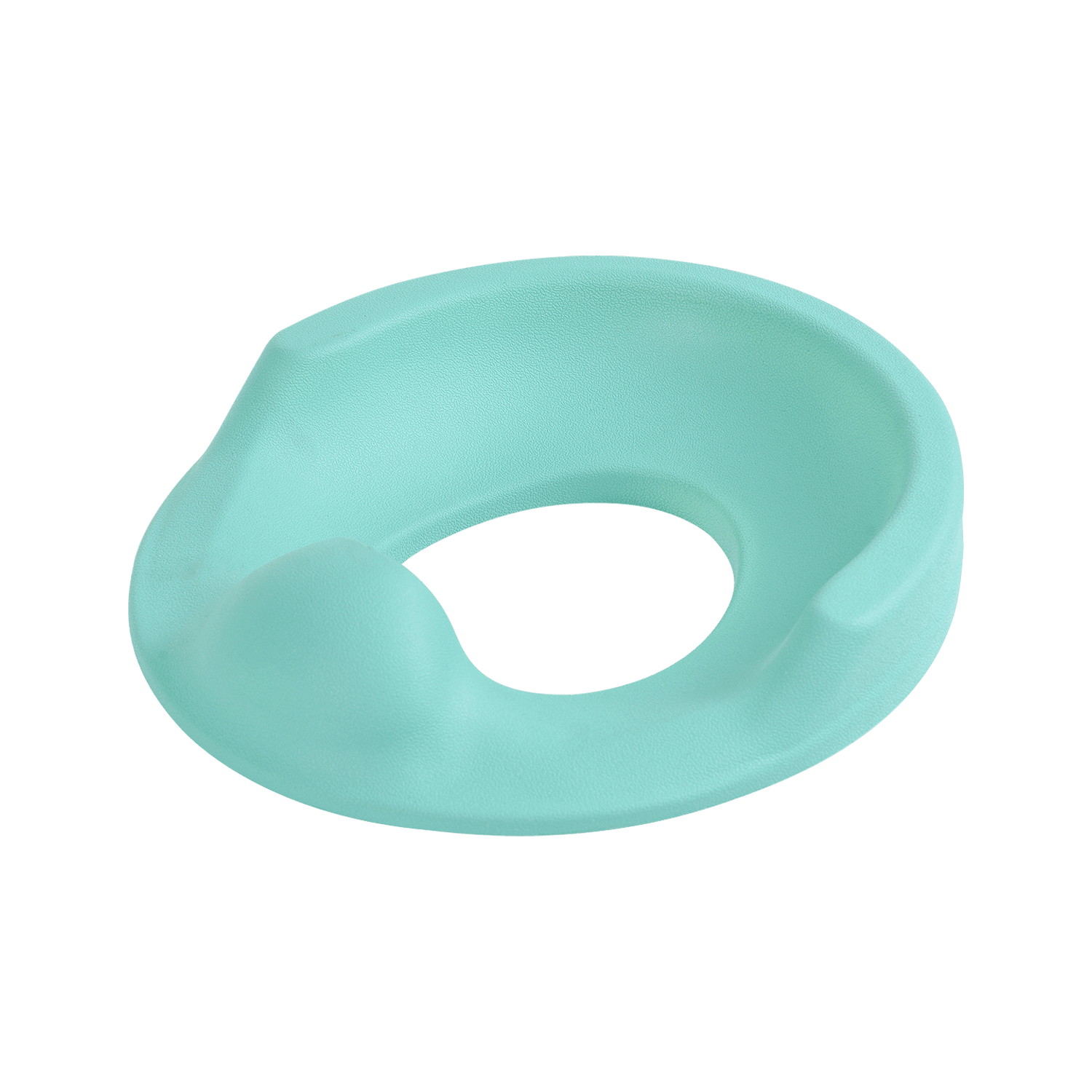

Đây là loại bô thân thiện với môi trường dành cho trẻ sơ sinh và trẻ mới biết đi được làm từ polyurethane cấp y tế. Chất liệu thâ...
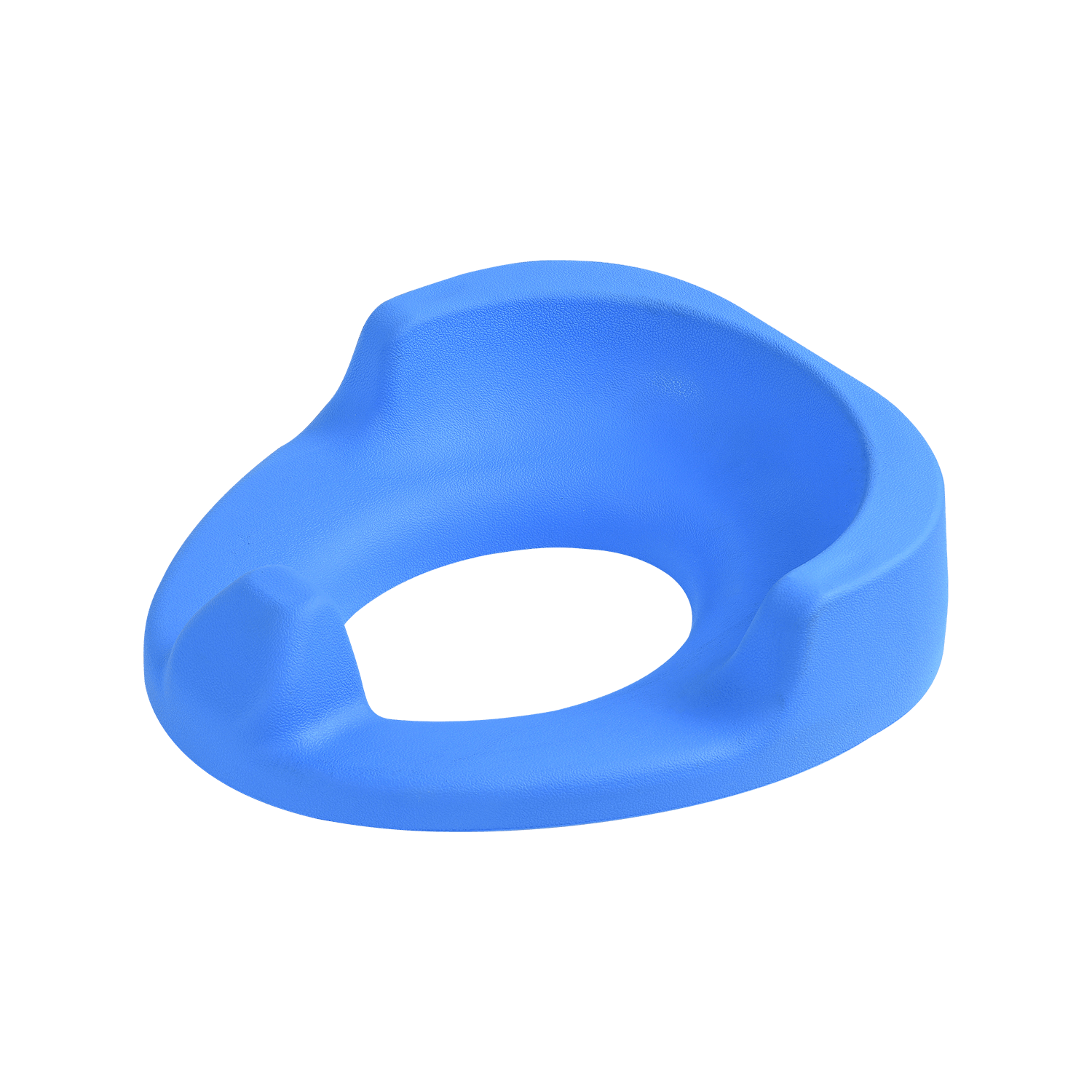
Không chỉ không mùi mà còn thân thiện với làn da giúp bé thoải mái, mát mẻ trong những ngày hè nóng nực. Tấm chắn bùn cao hơn của...
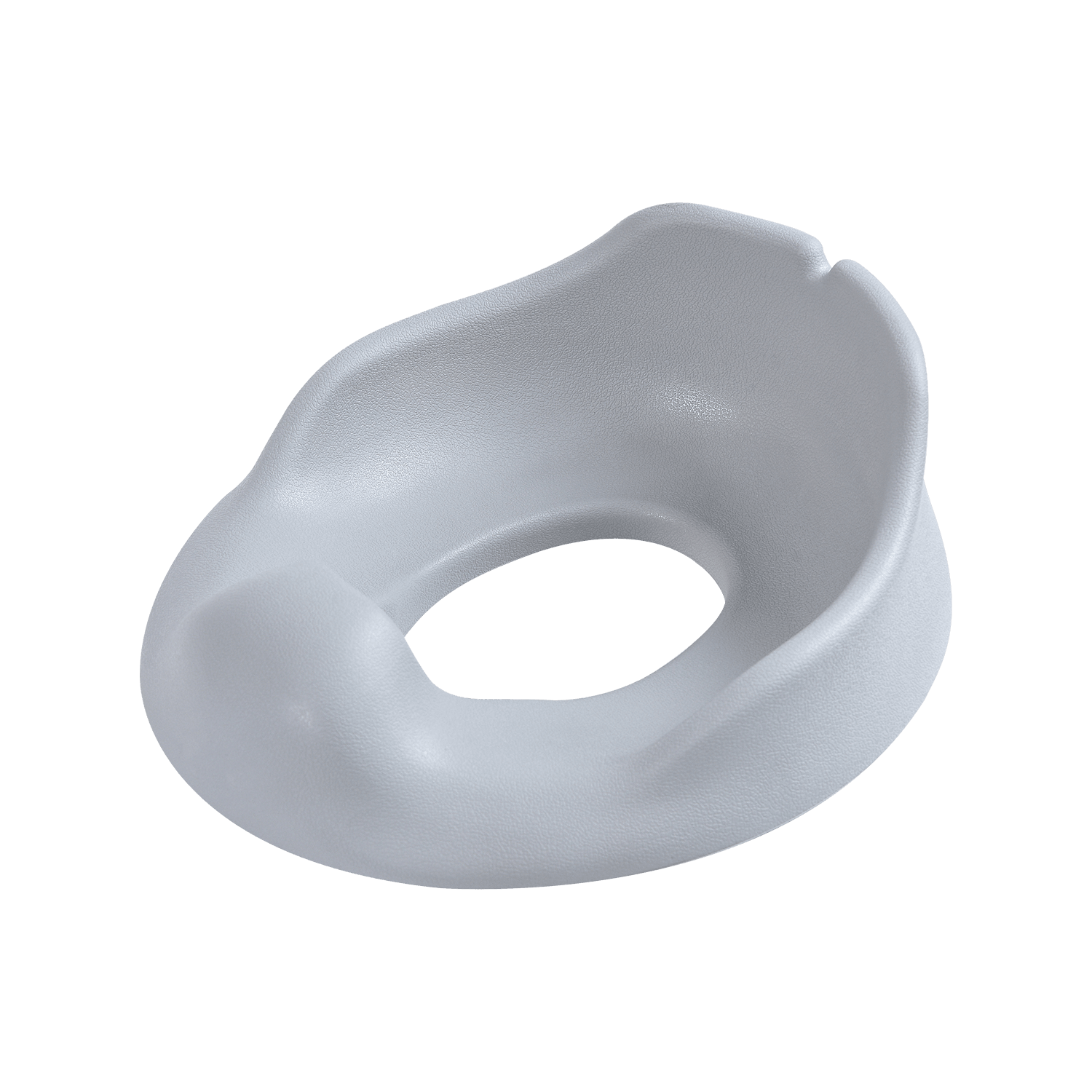
Ghế ngồi bô cho bé này được thiết kế không có góc chết nên rất dễ dàng để làm sạch. Thiết kế thân thiện với người dùng có thể đón...
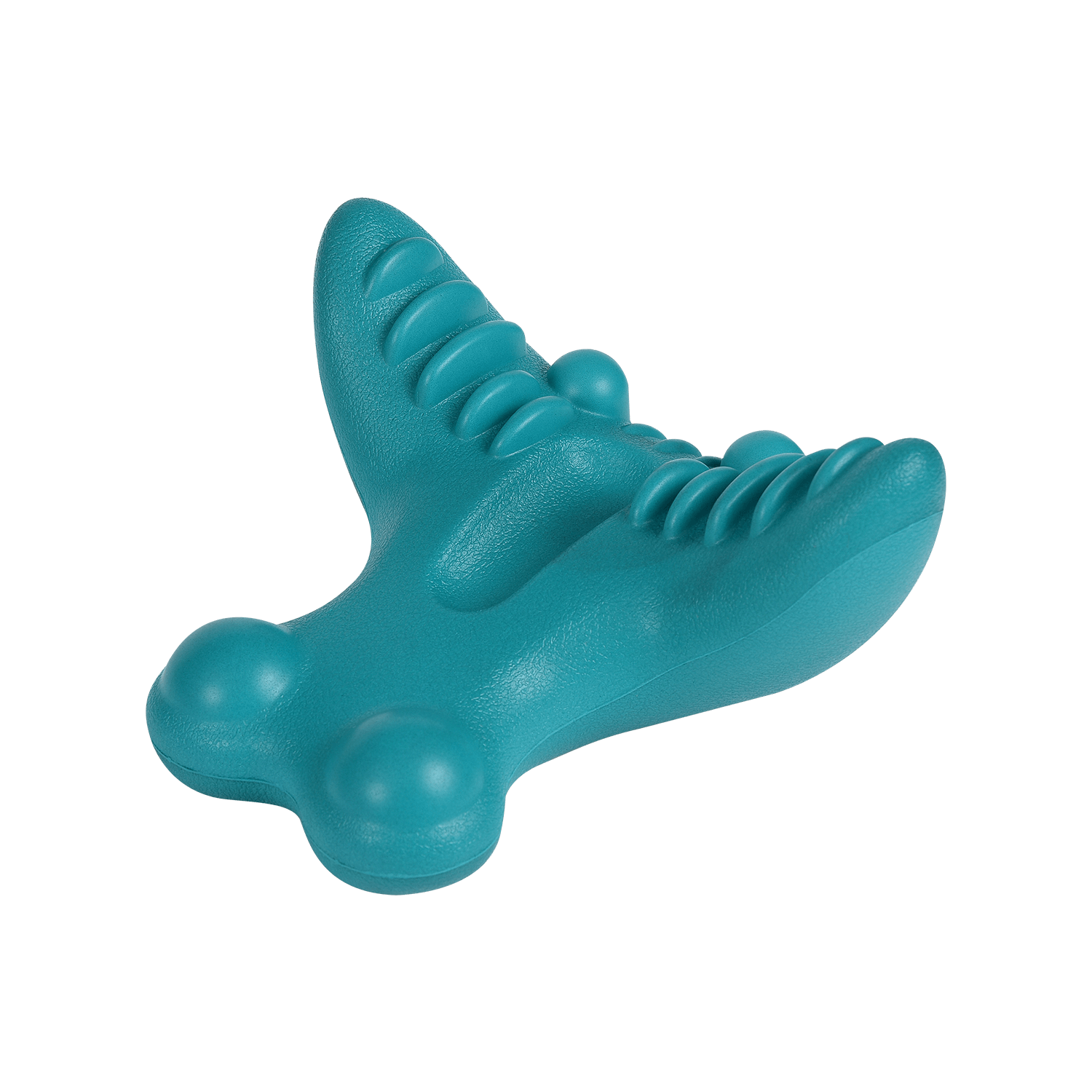
Máy căng cổ là một thiết bị giúp kéo căng và giảm căng thẳng bên trong các mô cơ ở cổ. Nó có thể được sử dụng để giảm đau cổ, tăn...
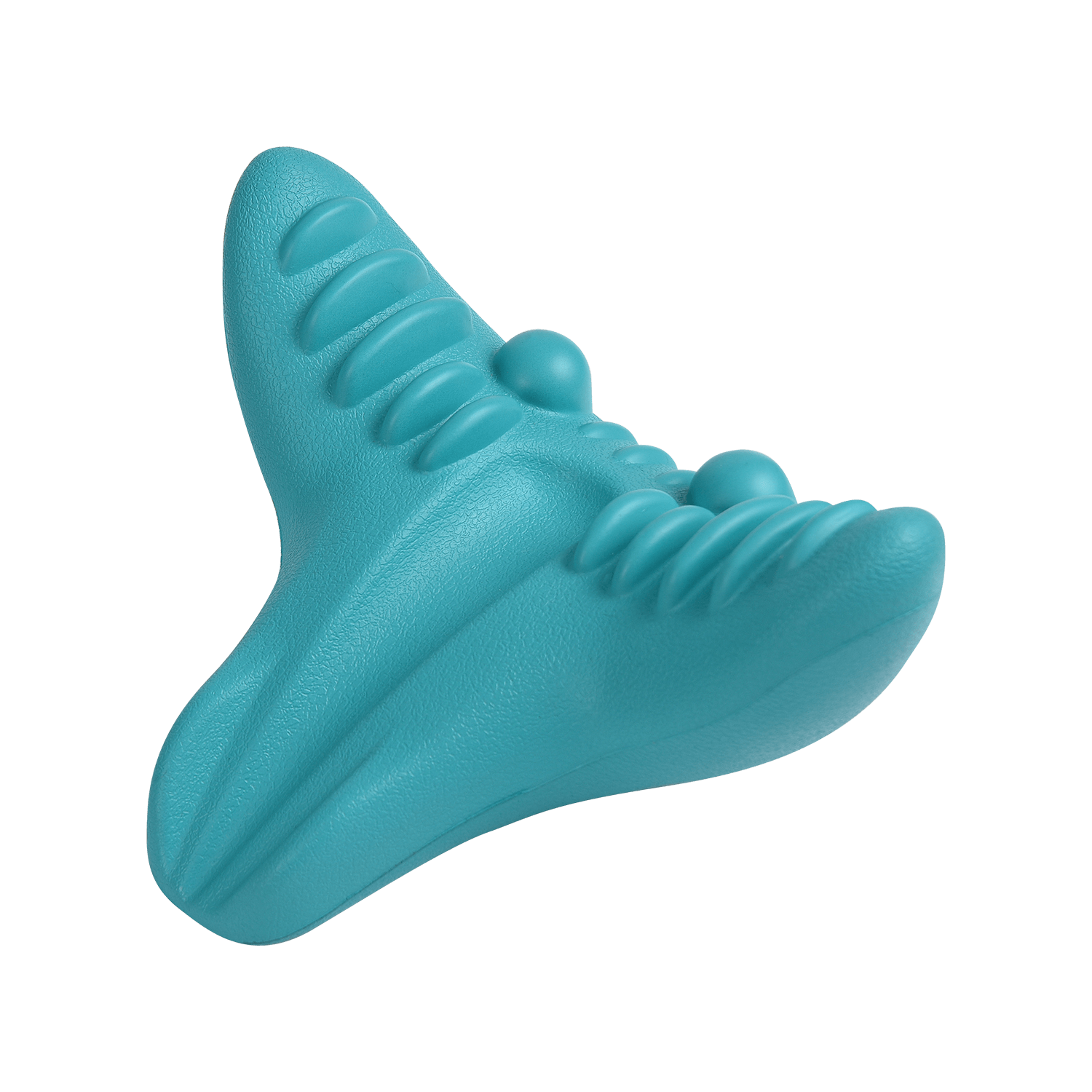
Gối cổ xốp PU được làm từ bọt polyurethane. Cung cấp đệm và hỗ trợ giúp giảm cứng cổ và khó chịu khi ngồi hoặc nghỉ ngơi kéo dài.
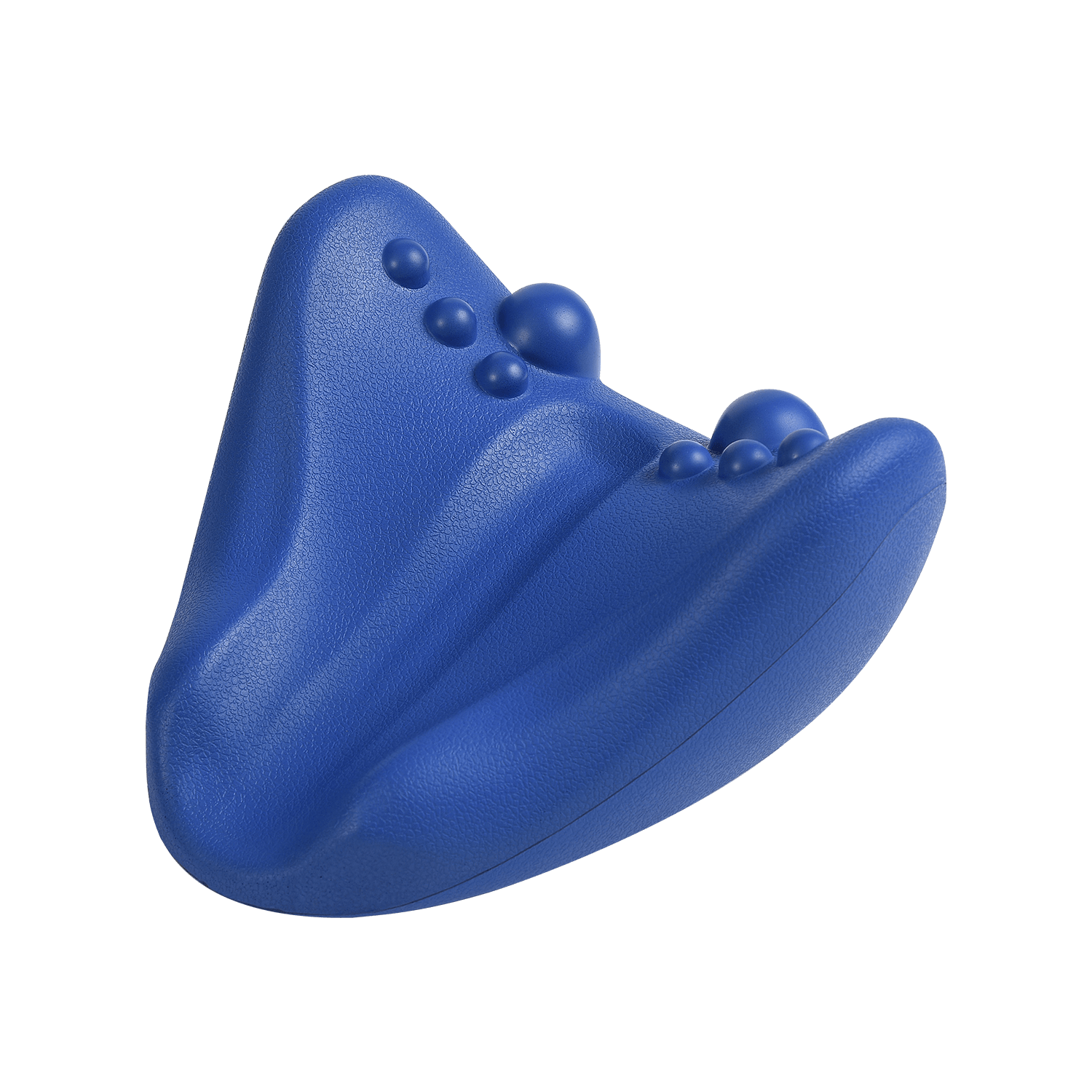
Cổ tử cung này có thể làm giảm áp lực cổ tử cung, ngăn ngừa và giảm đau. Giúp bạn co giãn chính xác: được thiết kế công thái học ...
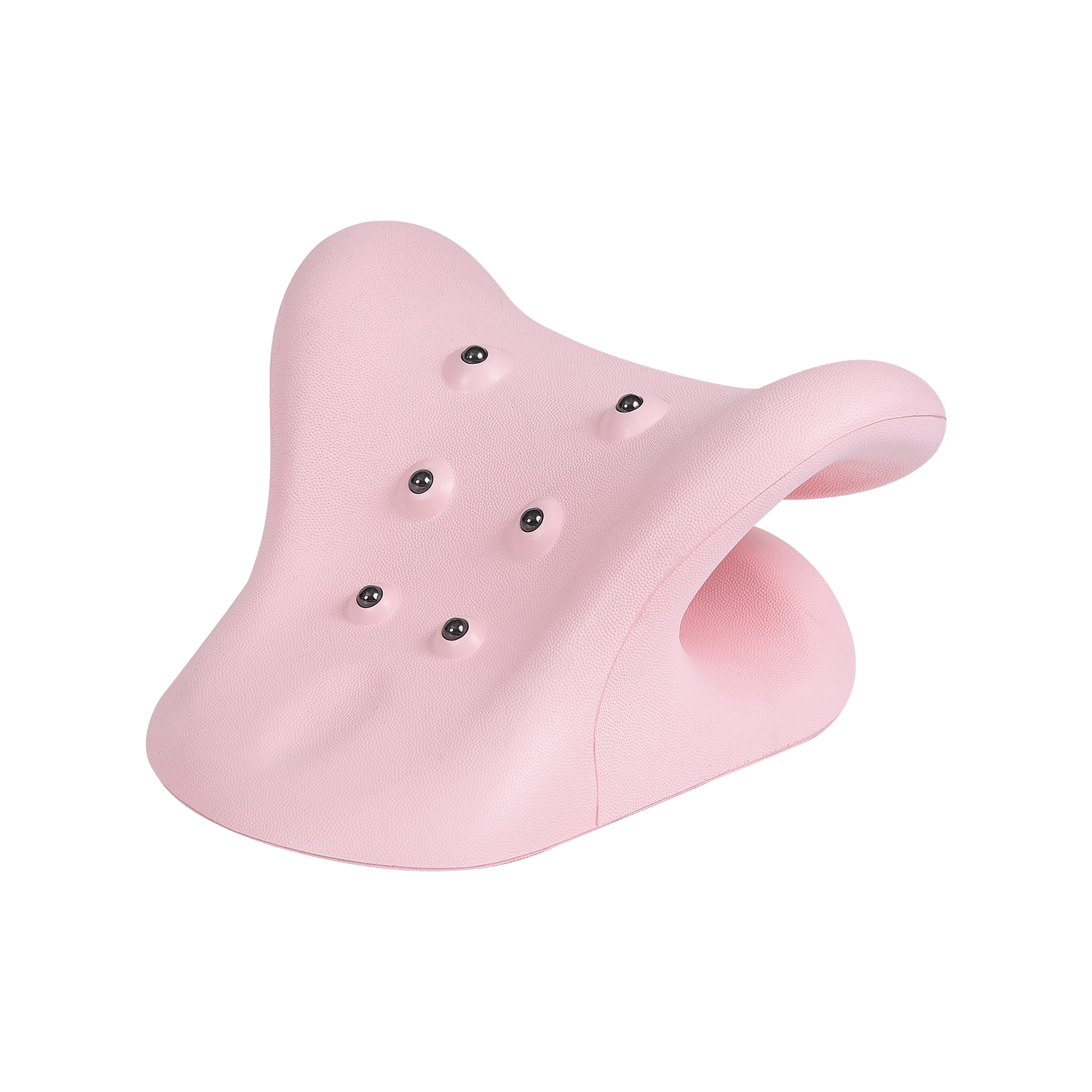
Sử dụng gối kéo cổ có thể giúp giảm áp lực lên cột sống cổ, giảm căng thẳng và giảm đau nhức liên quan đến các tình trạng như căn...
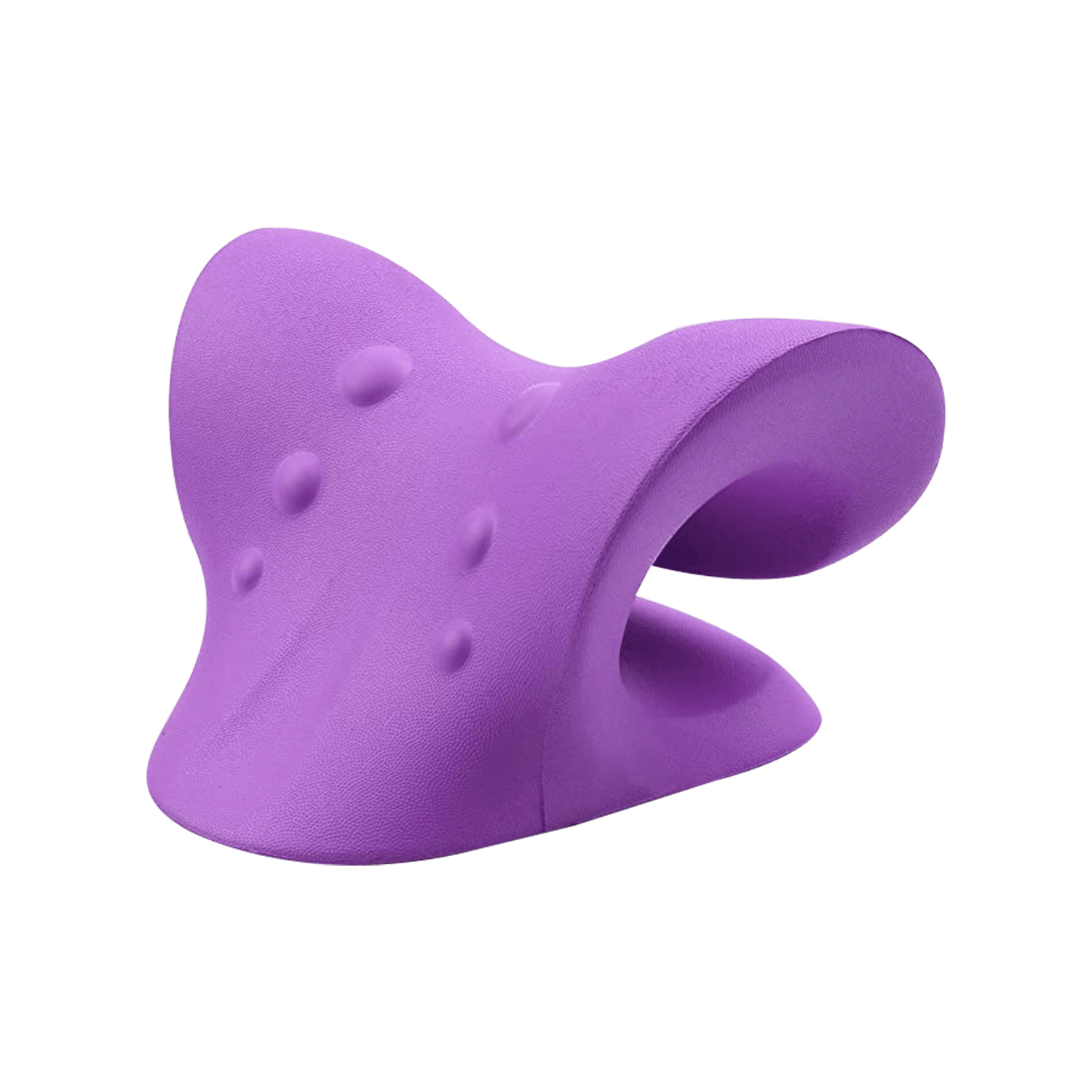
Gối cáng PU mềm được làm bằng bọt Polyurethane được thiết kế mềm mại và thoải mái. Nó cung cấp sự cân bằng tốt giữa khả năng hỗ t...
Bản quyền © 2024 Công ty TNHH Vật liệu mới Ninh Ba Mianyang Mọi quyền được bảo lưu.